

Children learn about feelings and emotions through everyday experiences and events such as conversations, relationships, and other interactions. A caring father can help children understand their emotions from a very young age. Moreover, emotional growth is not just about feeling and managing emotions. It also means building confidence, learning to get along with others, and knowing how to handle different situations.
A father’s role in parenting often supports these important areas of development. In this blog, you will see how fathers can influence their children’s emotional health and help them learn important life skills through everyday actions and guidance.
Creating a Sense of Emotional Security
A sense of safety and trust helps children build emotional security. Children who feel safe can express themselves freely, and this can be facilitated by frequent communication, spending time together and encouragement. Fathers play an important role in providing the child with a safe environment where they feel accepted and understood.
With such positive experiences, children learn to trust people and not fear new situations. Another benefit of emotional security in childhood is the ability to communicate.
The Power of Everyday Presence

Emotional growth does not always come from big lessons or serious talks. Often, it comes from small moments that happen every day. A father who is present during meals, homework, bedtime, school activities, or simple playtime gives the child a strong sense of belonging.
Being present means more than being in the same room. It means paying attention, listening, noticing changes in mood, and showing interest in what the child is doing. These small actions tell children that they are important.
Some simple ways fathers can show everyday presence include:
- Asking about the child’s day and listening to the full answer
- Joining small routines such as reading, walking, or preparing lunch
- Remembering important school events, hobbies, or friendships
- Giving attention without always using a phone or other distraction
These habits may look simple, but they create emotional stability over time.
Encouraging Confidence and Independence

It may take a lot of time for children to develop confidence as they try different things and have successes along the way. A father can support his kids as they engage in various activities and learn to take on age-appropriate duties.
By giving children opportunities to make decisions and face the consequences, parents help them become confident. Moreover, appreciating hard work rather than just success keeps them motivated.
Teaching Healthy Emotional Expression
Children benefit from learning that all emotions are natural and should be expressed in a healthy way. Fathers can show this through their kindness, respecting others’ feelings, and expressing their own emotions in healthy ways. Watching their dad handle emotions calmly in both happy and difficult times teaches children how to do the same.
Having open conversations about feelings can help children understand their feelings and learn to share them well. As a result, this helps them feel more comfortable showing their emotions rather than hiding them.
Helping Children Name Their Feelings
Many children feel emotions before they have the words to explain them. A child may cry, shout, become quiet, or refuse to cooperate because they cannot yet say, “I feel disappointed,” “I am worried,” or “I need help.” Fathers can support emotional growth by helping children name what they are feeling.
This does not mean forcing children to talk before they are ready. It means gently guiding them. A father might say, “It looks like you are upset because the game ended,” or “Maybe you feel nervous about school tomorrow.” These simple statements help children connect emotions with words.
Over time, this builds emotional awareness. When children can name their feelings, they are more likely to manage them in a healthy way. They also become better at explaining their needs to others.
Developing Self-Control Through Daily Interactions
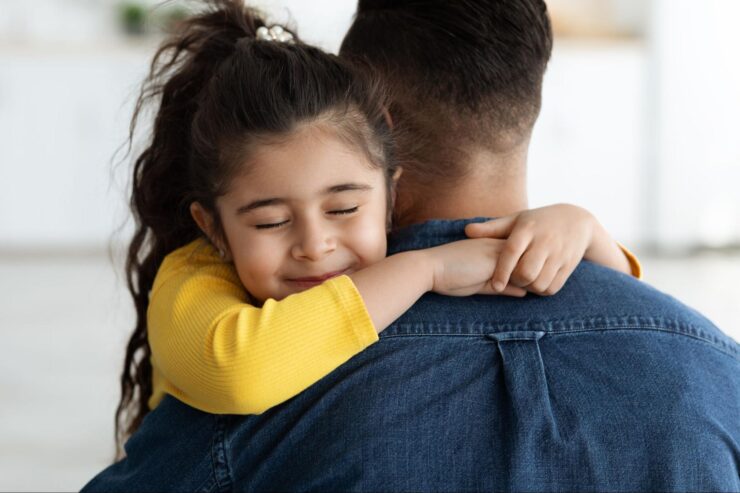
Self-control helps children make sound decisions and manage their emotions. Through daily tasks, children will learn the importance of patience and cooperation. Fathers can help develop discipline in their kids in a positive way while doing all of these things.
Games, sports, and even family conversations help children learn to listen and wait for their turn. These activities also teach patience and how to manage frustration and emotions in a healthy way.
Improving Social and Relationship Skills
Children learn how to interact with others by observing adults around them. Fathers can influence how children talk, share, behave and work with friends and classmates. Good examples at home of kindness, listening, and empathy teach children how to build strong friendships and get along with others.
These social skills also boost their emotional health. When children see how to treat others right, they feel happier and more confident about making friends and staying connected.
Setting Boundaries With Warmth
Children need love, but they also need clear boundaries. A father can support emotional development by setting rules in a calm and consistent way. Boundaries help children understand what is safe, respectful, and expected from them.
The key is to combine structure with warmth. Rules should not make children feel rejected. Instead, they should help children feel guided. For example, a father can explain why screen time has limits, why bedtime matters, or why respectful language is important.
Healthy boundaries can help children:
- Feel safer because expectations are clear
- Understand the difference between behavior and identity
- Learn responsibility without fear
- Develop respect for other people’s needs
When discipline is fair and caring, children learn that limits are not punishments. They are part of growing up.
Building Resilience Through Support and Guidance

Being resilient means having the capacity to bounce back after tough times and adverse situations. Resilient children develop their skills through their experiences and encouragement from others. A father’s contributions in this case are crucial, as they direct the children appropriately while allowing them to experience setbacks.
Rather than focusing solely on achievements, fathers can discuss with their children the importance of putting effort into anything they take-up. In this way, children can be resilient enough to deal with adversity.
Showing Love Through Consistency
Children often understand love through repeated actions. A father who keeps promises, follows routines, and responds with patience teaches the child that love is dependable. This consistency can be especially important during stressful periods, such as moving, starting a new school, family changes, or difficult social situations.
Consistency does not mean being perfect. Fathers can make mistakes, become tired, or react poorly at times. What matters is repairing the moment afterward. A simple apology or honest conversation can teach children that relationships can recover after conflict.
This also helps children build trust. When they see that love remains steady even after mistakes, they feel more secure. That security becomes a strong base for emotional growth, confidence, and healthier relationships with others.
Conclusion
Every day experiences strongly influence emotional growth. Fathers can help in many ways by making children feel safe, confident, and understood. Supporting good communication, self-control, social skills, and resilience helps children develop important emotional skills that they will use all their lives.
A father’s role in parenting goes beyond daily chores and can deeply shape how children understand their feelings and how they relate to others. Ongoing support, kind words, and helpful guidance can help children grow into healthy, happy adults.